


Unveiling Zimbabwe's Economic Landscape: A Statistical Overview

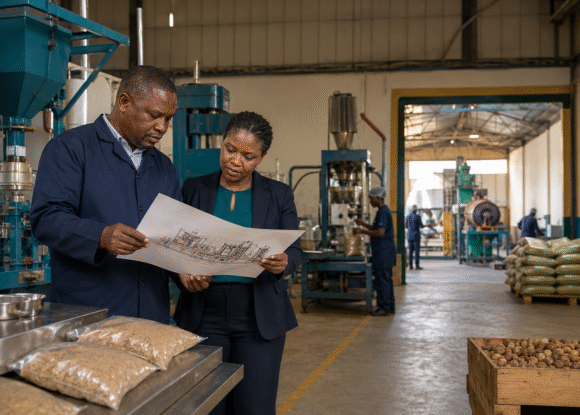
African businesswoman analyzing business strategy comparing with economic profits

In Zimbabwe, economic indicators serve as a compass, guiding policymakers, investors, and citizens alike in navigating the nation’s economic landscape. This blog post aims to provide a comprehensive statistical overview of Zimbabwe’s economy, highlighting key figures, trends, and insights sourced from reputable sources.

GDP Growth and Composition:

  • In 2021, Zimbabwe’s GDP growth rate stood at 3.9%, driven by robust performance in sectors such as agriculture, mining, and manufacturing (Source: World Bank).
  • Agriculture contributes approximately 16.5% to Zimbabwe’s GDP, followed by industry (20.7%) and services (62.8%) (Source: Zimbabwe National Statistics Agency).

Inflation Dynamics:

  • Zimbabwe has grappled with hyperinflation in the past, with rates soaring to over 500 billion percent in 2008 (Source: Reserve Bank of Zimbabwe).
  • As of 2021, inflation has stabilized, with an annual inflation rate of 55.22% (Source: Trading Economics).
  • Food inflation remains a significant concern, averaging around 73.75% in 2021 (Source: Reserve Bank of Zimbabwe).

Employment and Labor Market:

  • Zimbabwe’s unemployment rate stands at approximately 5.42%, with youth unemployment being a pressing issue at 10.73% (Source: Zimbabwe National Statistics Agency).
  • The informal sector accounts for a significant portion of employment, with estimates suggesting that around 60-70% of Zimbabweans work in the informal economy (Source: International Labour Organization).

Foreign Direct Investment (FDI) Inflows:

  • In 2020, Zimbabwe attracted FDI inflows of $259 million, representing a decline from previous years (Source: United Nations Conference on Trade and Development).
  • Key sectors attracting FDI include mining, agriculture, energy, and infrastructure development (Source: Zimbabwe Investment Authority).

Trade and Export Performance:

  • Zimbabwe’s total exports amounted to $4.5 billion in 2021, with major export commodities including gold, tobacco, and platinum (Source: Zimbabwe National Statistics Agency).
  • China remains Zimbabwe’s largest trading partner, accounting for a significant portion of both imports and exports (Source: Zimbabwe National Statistics Agency).

Debt and Fiscal Policy:

  • Zimbabwe’s total public debt stands at approximately $13.5 billion, with external debt accounting for the majority (Source: Ministry of Finance and Economic Development).
  • Fiscal deficits remain a challenge, with the government implementing austerity measures and seeking debt relief initiatives (Source: International Monetary Fund).

Financial Inclusion and Access:

  • Approximately 77% of Zimbabwean adults have access to financial services, with mobile money playing a crucial role in enhancing financial inclusion (Source: World Bank).
  • The adoption of digital financial services has accelerated in recent years, with mobile money transactions surpassing $13 billion in 2021 (Source: Reserve Bank of Zimbabwe).

Infrastructure Development:

  • Zimbabwe’s infrastructure deficit remains a significant impediment to economic growth, with investments needed in road networks, energy, water supply, and telecommunications (Source: World Bank).
  • Government-led initiatives such as the National Development Strategy 1 and public-private partnerships aim to address infrastructure gaps and stimulate economic development (Source: Ministry of Transport and Infrastructural Development).

Conclusion:
Zimbabwe’s economic journey is marked by resilience, challenges, and opportunities. By examining key statistical indicators across various sectors, we gain valuable insights into the nation’s economic dynamics and prospects for the future. As Zimbabwe continues to navigate its economic path, data-driven decision-making and strategic interventions will be essential in driving sustainable growth, promoting inclusivity, and improving the well-being of its citizens.

Sources:

  • World Bank
  • Zimbabwe National Statistics Agency
  • Reserve Bank of Zimbabwe
  • Trading Economics
  • International Labour Organization
  • United Nations Conference on Trade and Development
  • Zimbabwe Investment Authority
  • Ministry of Finance and Economic Development
  • International Monetary Fund
  • Ministry of Transport and Infrastructural Development
Zimbabwean business owner reviewing a production investment while bank credit pathways connect to agriculture, manufacturing and mining.

Can Zimbabwe Turn Price Stability into Productive Credit?

Zimbabwe’s latest inflation data shows a more stable price environment, while bank lending has also expanded. Yet high nominal and real borrowing costs, the dominance of US dollar credit, cautious bank pricing and limited local-currency transmission still constrain productive finance. This article assesses what must change before stability becomes accessible business credit at scale for Zimbabwean companies.

Read More »

Financing Zimbabwe’s Infrastructure Ambition

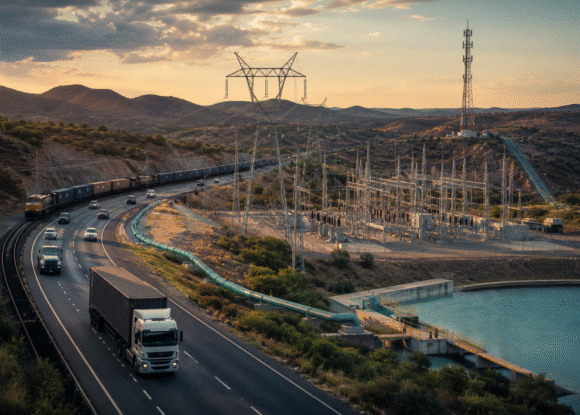
Zimbabwe’s infrastructure challenge is not only about finding more capital. It is about turning roads, energy, water and digital projects into bankable transactions with credible cash flows, risk allocation and governance. This article examines where funding can realistically come from, why project preparation matters, and what will determine whether announced projects reach financial close and delivery.

Read More »

Unlocking Working Capital Through Structured Finance in Zimbabwe

Zimbabwean businesses often run short of working capital not because sales are weak, but because cash leaves before customer payments arrive. Structured finance can bridge that timing gap by funding verified receivables, orders, inventory or trade flows. The opportunity is real, but only when legal rights, currency, monitoring and repayment controls are designed around the underlying cash flow.

Read More »
African investment professional reviewing a digital portfolio with productive Zimbabwean business, renewable-energy and logistics activity in the background.

Turning Diaspora Remittances into Productive Investment in Zimbabwe

Zimbabwe’s diaspora inflows are large, but remittances are not the same as investment. The opportunity is to give Zimbabweans abroad credible ways to allocate savings into regulated funds, listed securities, businesses and projects without weakening household support. That requires transparent governance, currency matching, reliable settlement, clear exit routes and investment structures built around real cash flows.

Read More »
Zimbabwean business planning desk with agriculture, mining, manufacturing, energy and logistics elements under a calm but watchful economic outlook.

What Zimbabwe’s 2026 Mid-Year Economic Review Means for Business

Zimbabwe’s 2026 Mid-Term Budget and Economic Review points to stronger growth, low inflation, firmer foreign-currency inflows and disciplined fiscal execution. For businesses, the signal is improved planning visibility, not the disappearance of risk. Currency matching, tax compliance, energy resilience, working-capital discipline and careful sector selection remain essential as licensing reforms, debt pressures and climate risks shape the second half.

Read More »
Investor using a seven-part checklist to evaluate an investment opportunity in Zimbabwe

How to Evaluate an Investment Opportunity Before Committing Capital

A high promised return is only the starting point. Before committing capital, learn how to evaluate an investment opportunity in Zimbabwe by testing its cash-flow source, legal structure, promoter, expected return, currency exposure, liquidity, security, fees, regulatory standing and exit options, while identifying the risks, assumptions and potential losses that could affect your capital and investment objectives.

Read More »