Zimbabwe is a goldmine for individuals who are interested to invest in economic potential with a spectrum of investors who are coming from inquiring potential and growth markets. In directing the nation back to the roads of economic reforms and development, the proponent concepts continue to be key sectors to be monitored for investment. In this blog post, we’ll explore three key sectors that investors should watch closely for lucrative investment prospects in Zimbabwe.
Agriculture and Agribusiness:
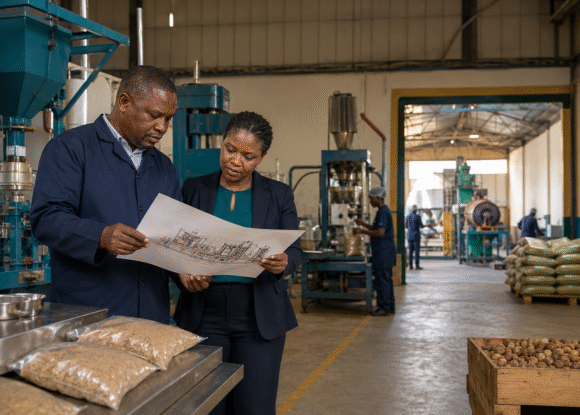
Agriculture is key to this nation’s economic growth. Zimbabwe’s progress is tied closely to the agriculture sector, which not only provides livelihoods to a significant portion of them of the populace but also generates significant portions of the country’s total exports and constitutes one of its most significant sources of GDP. The yield from agriculture is one of the main contributors to the economy of this nation. With this in mind, the following sectors will be of interest: crop cultivation, livestock breeding and dairy farming, agro-processing, as well as export-oriented agriculture. The targets of the government of Zimbabwe are making land functions which will offer productivity to the farms and offer the other half to the indigenous farmers who intend to produce and export more heavily to foreign markets. The modernization of the agricultural sector is another focal point that can be seen in Zimbabwe’s economy near future. Furthermore, the location of Zimbabwe in Southern Africa can be viewed as an advantage because of the easy transportation of goods to regional and international markets and henceforth an admirable place for this investment.
Mining and Natural Resources:
After rich mineral resources that could have enriched the Zimbabwean economy are named such as gold, platinum, diamonds, coal, lithium, and rare minerals, The mining sector present home for the development various activities such as exploration, extraction and value-adding processing. With sweeping reforms in the sector, it is a good indication that the sector can have another shot at full recovery with the emergence of mineral resource mining.
Due to numerous minerals available across the national scale, investors can diversify their portfolio using these minerals because of the country’s rich geological diversity and the favorable investment regime. The presence of major impetus to tax relief, transit investigation, and the availability of partnerships with private companies usually increase the number of potential investments in the mining sector as well.
Renewable Energy and Infrastructure:
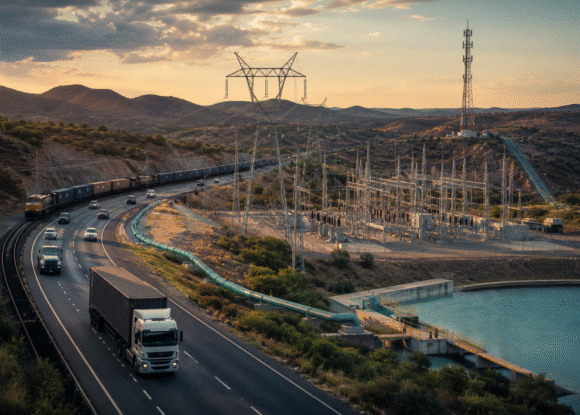
Urbanization and industrialization have taken the fast track in Zimbabwe to meet the demand for energy and infrastructure development. Zimbabwe has much potential in renewable energy sources like solar, wind, hydro, and biomass, which is the reason behind this new interest of investors in the country. Also, the possibility of investment in renewable energy projects provides Zimbabwe with a chance of having a stable source of energy, at the same time, it gives to the environmental conservation and climate resilience.
Moreover, infrastructure development initiatives give an open chance for investors to invest in transportation, telecommunications, water supply, and urban development projects. These projects create opportunities for investors to contribute to Zimbabwe’s development as the infrastructure development precedent of public-private partnerships (PPPs) and the government can also be the beginning for the investors to collaborate with the country on development of the infrastructure of Zimbabwe as part of its economic development.
Conclusion:
Despite serious tribulations, which are related to the natural resources, Zimbabwe has abundant investment chances in the relevant sectors such as agriculture, mining, renewable energy, and infrastructure. The government has acknowledged the challenges and these are being eradicated through progressive government policies, regulatory reforms along with a conducive investment climate. In the midst of modern development in Zimbabwe, a special role is being played by investors. This is only possible if they will be able to identify real and tangible investment opportunities in specific sectors that are important to Zimbabwe while at the same time they become an essential tool for the economic development of the country and job creations therein.
Friendly off, Zimbabwe is in the process of growth and investing in smart ways is seen as one of the ways to facilitate the growth. Knowing the present conditions, interested businesspersons can take advantage of this opportunity.