


Where Zimbabwe’s 2027 Budget Could Unlock Private Investment
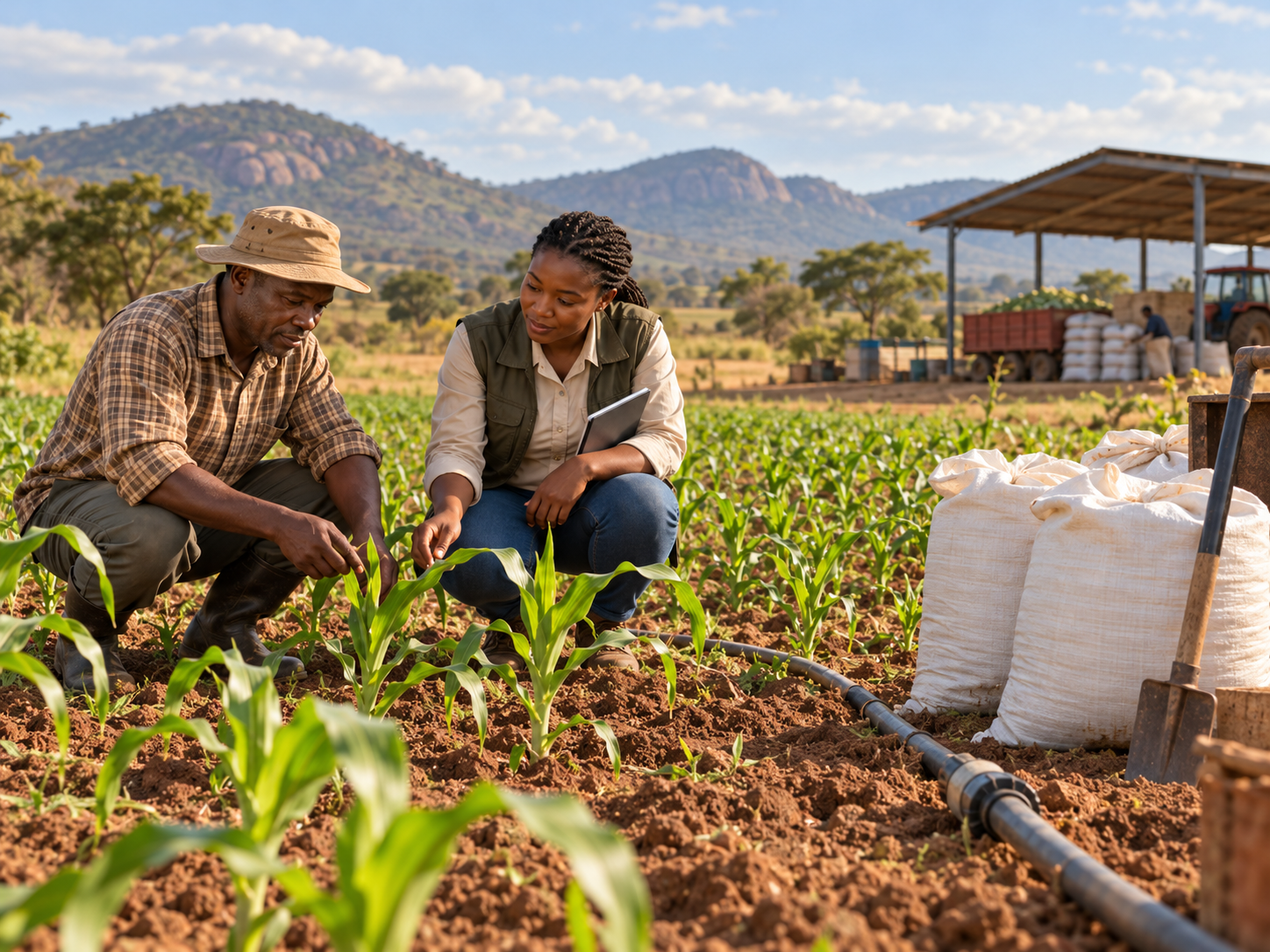
Zimbabwe’s 2027 budget could attract private investment by improving power, irrigation, logistics, tax predictability and financing conditions. Treasury’s strategy provides a useful direction, but proposed allocations are not completed projects or enacted incentives. This article examines where public resources could support viable private activity and what businesses should verify before relying on promised reforms or funding.

Zimbabwe’s Capital Market Opportunity Beyond Equities
Zimbabwe’s capital markets now extend beyond listed shares into REITs, debt structures, commodity-oriented funds and private vehicles. Yet registration and product availability do not guarantee access or liquidity. The real opportunity lies in instruments with transparent cash flows, credible valuation, currency alignment and practical exits that can meet the needs of institutions and private investors.

What Is Driving Zimbabwe’s Mineral Export Surge?
Zimbabwe’s mineral export receipts are rising sharply, but the increase is not a simple production or beneficiation story. Official data show a concentrated uplift led by gold, commodity prices and selected product-form changes, alongside mixed physical output. For investors, the durable opportunity lies in separating price exposure, verified volume growth, formalisation and commercially proven domestic processing.
The Financing Case for Renewable Energy in Zimbabwean Agriculture
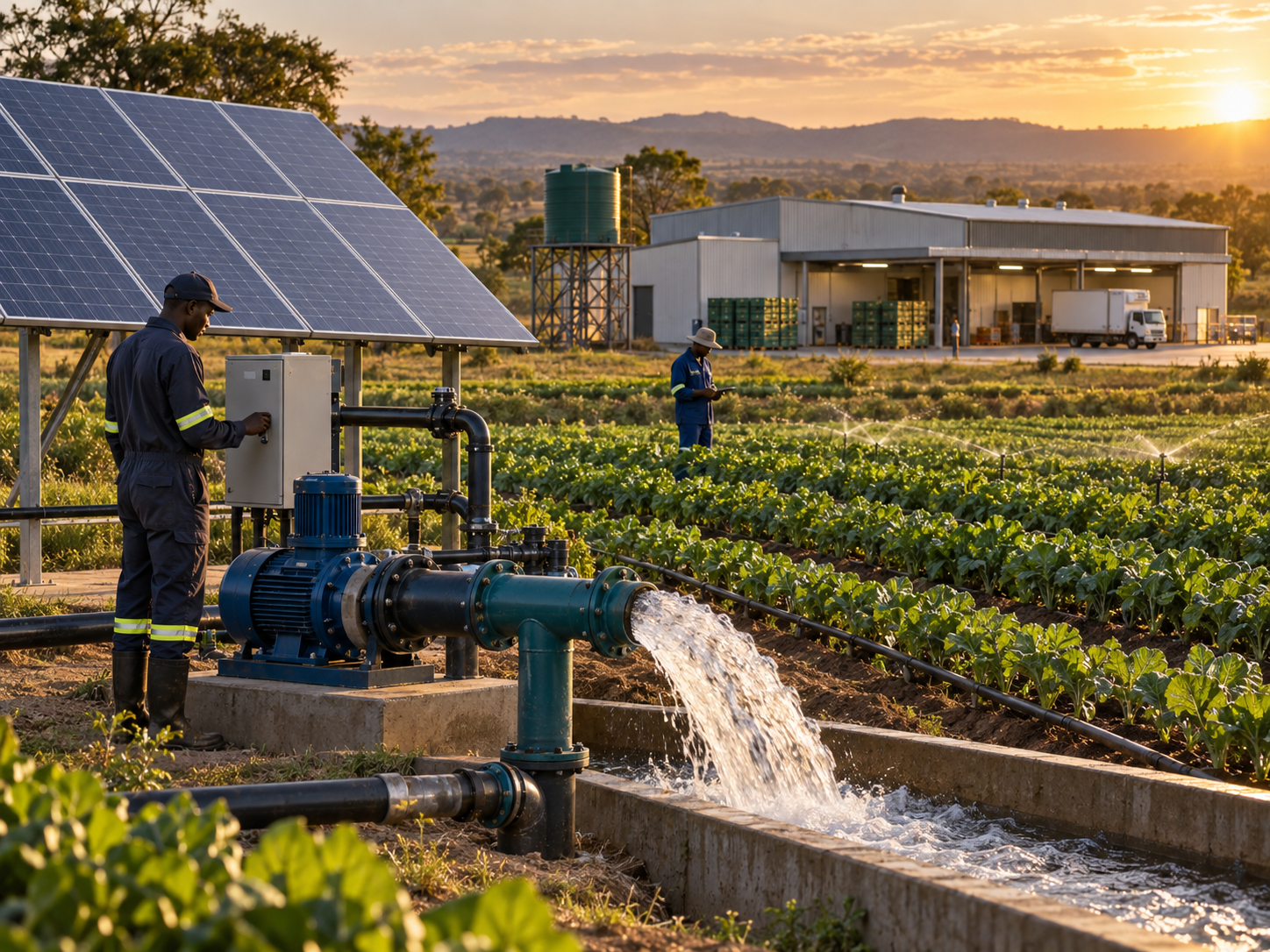
Zimbabwe’s renewable-energy opportunity in agriculture is commercially credible, but technology alone will not secure funding. This article examines where solar irrigation, cold storage, processing and biogas can generate bankable cash flows, which financing structures fit each use case, and why currency matching, utilisation, offtake and project preparation will determine whether projects move from potential to investment.

What Zimbabwe’s Tourism Investment Numbers Really Show
Zimbabwe’s first-quarter tourism indicators improved, but the headline 438% investment surge needs careful reading. ZTA says registration of previously informal facilities drove much of the increase. Arrivals and receipts rose, yet national occupancy stayed at 38%. The commercial opportunity is therefore selective: upgrade proven assets, build resilient regional demand and verify that every reported investment is deployable capital.

Can Zimbabwe Turn Price Stability into Productive Credit?
Zimbabwe's latest inflation data shows a more stable price environment, while bank lending has also expanded. Yet high nominal and real borrowing costs, the dominance of US dollar credit, cautious bank pricing and limited local-currency transmission still constrain productive finance. This article assesses what must change before stability becomes accessible business credit at scale for Zimbabwean companies.

Financing Zimbabwe’s Infrastructure Ambition
Zimbabwe’s infrastructure challenge is not only about finding more capital. It is about turning roads, energy, water and digital projects into bankable transactions with credible cash flows, risk allocation and governance. This article examines where funding can realistically come from, why project preparation matters, and what will determine whether announced projects reach financial close and delivery.

Unlocking Working Capital Through Structured Finance in Zimbabwe
Zimbabwean businesses often run short of working capital not because sales are weak, but because cash leaves before customer payments arrive. Structured finance can bridge that timing gap by funding verified receivables, orders, inventory or trade flows. The opportunity is real, but only when legal rights, currency, monitoring and repayment controls are designed around the underlying cash flow.

Turning Diaspora Remittances into Productive Investment in Zimbabwe
Zimbabwe’s diaspora inflows are large, but remittances are not the same as investment. The opportunity is to give Zimbabweans abroad credible ways to allocate savings into regulated funds, listed securities, businesses and projects without weakening household support. That requires transparent governance, currency matching, reliable settlement, clear exit routes and investment structures built around real cash flows.

What Zimbabwe’s 2026 Mid-Year Economic Review Means for Business
Zimbabwe’s 2026 Mid-Term Budget and Economic Review points to stronger growth, low inflation, firmer foreign-currency inflows and disciplined fiscal execution. For businesses, the signal is improved planning visibility, not the disappearance of risk. Currency matching, tax compliance, energy resilience, working-capital discipline and careful sector selection remain essential as licensing reforms, debt pressures and climate risks shape the second half.